Introduction
One of the most common challenges homeowners face during renovations or extensions is this:
“We don’t have enough space for a proper staircase.”
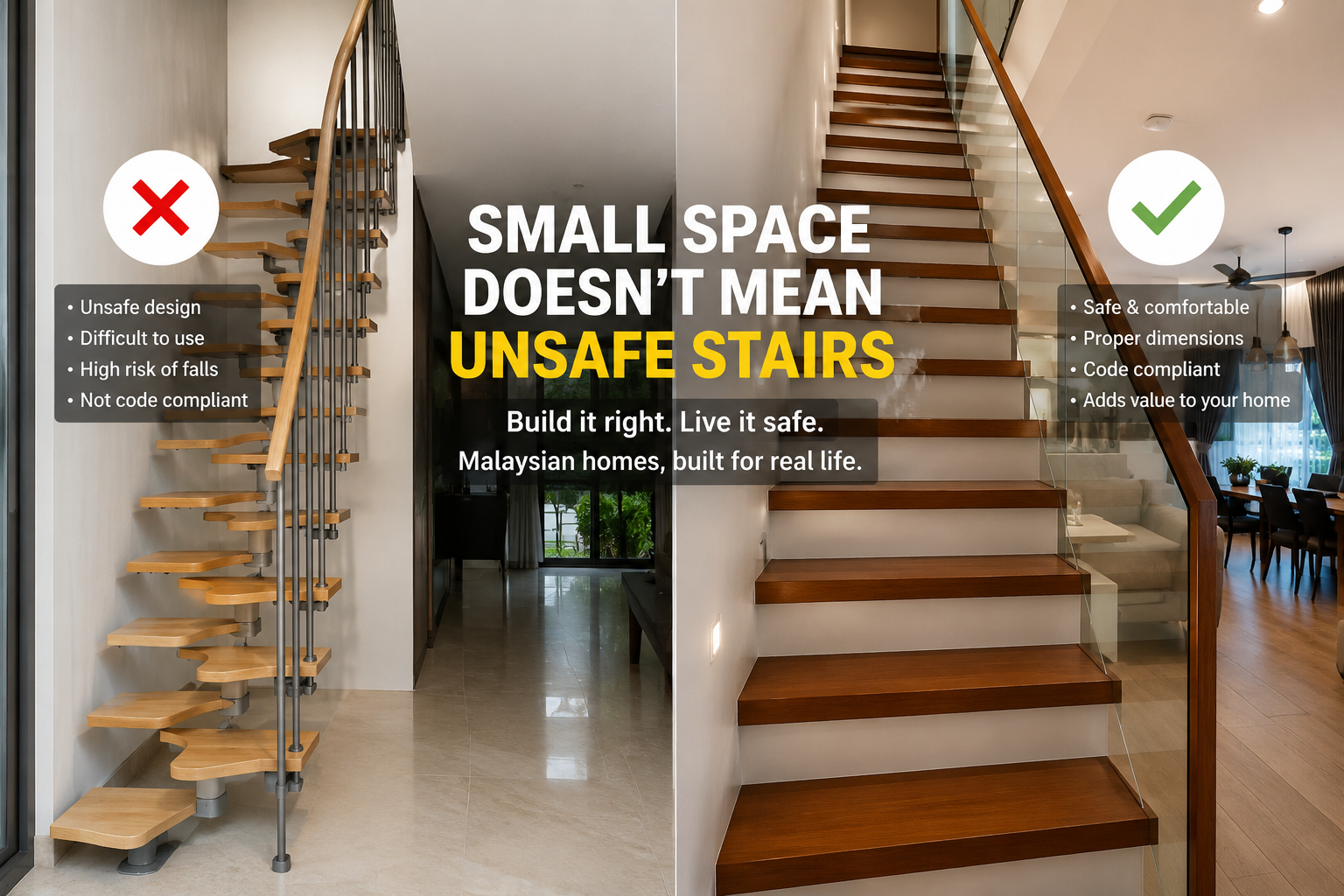
When floor layouts become tight, many people begin searching for “space-saving staircase ideas” online. Unfortunately, this often leads to risky design shortcuts that prioritise fitting the staircase into the space — instead of ensuring the staircase is safe and comfortable to use.
At VS Interior Decor, we regularly encounter homeowners who have been advised to:
- Reduce tread sizes excessively
- Build dangerously steep staircases
- Use alternating step designs
- Ignore proper headroom clearances
- Sacrifice safety for aesthetics or space savings
While some of these solutions may appear clever on social media, many are impractical, uncomfortable, or unsafe for everyday residential use.
This article explores the common mistakes homeowners make when dealing with tight staircase spaces — and what should be done instead.
1. The “Alternating Step Staircase” Myth
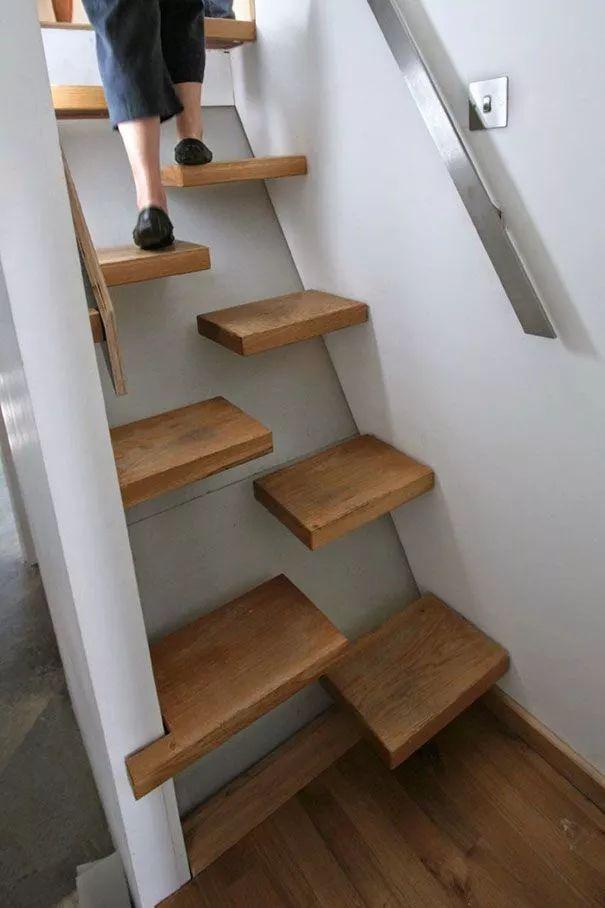
One of the most frequently misunderstood designs is the alternating tread staircase, sometimes marketed as:
- Space-saving stairs
- Paddle stairs
- Alternating step stairs
These staircases reduce space by forcing users to step in a specific left-right pattern.
While they may look innovative, the reality is very different.
Why It’s Problematic
The major issue is that these stairs:
- Require conscious foot coordination
- Are unsafe during emergencies
- Become hazardous for children and elderly users
- Are difficult when carrying items
- Increase risk of missed footing
The attached example above demonstrates this clearly — although compact, the staircase sacrifices natural walking rhythm and safe ergonomics.
In professional residential staircase design, the staircase should feel instinctive and comfortable to use without requiring mental adjustment.
A staircase should adapt to human movement — not force humans to adapt to the staircase.
2. Excessively Steep Staircases
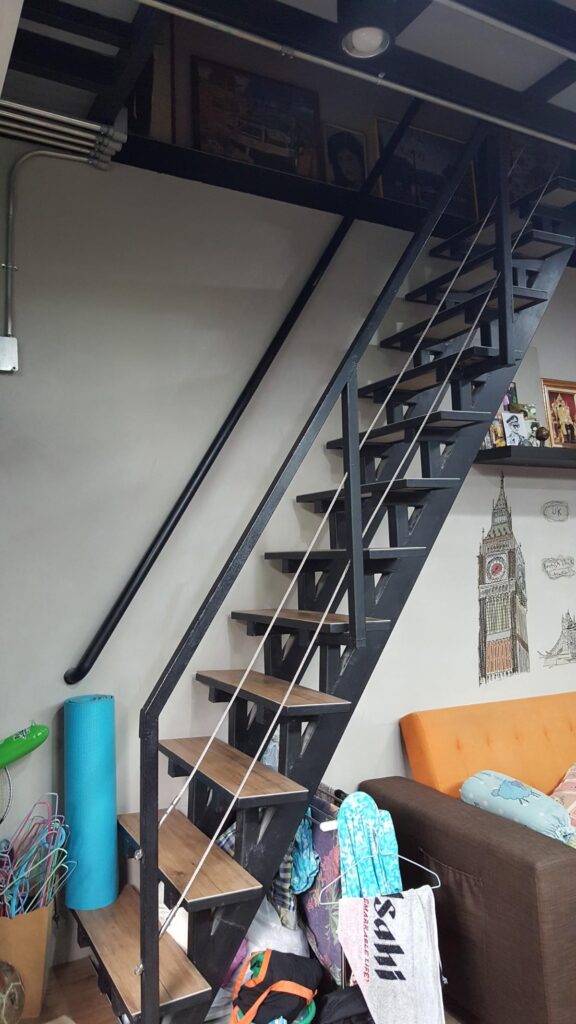
Another common mistake is treating staircases like ladders.
To save floor space, some contractors reduce the staircase footprint by increasing the angle excessively.
The result:
- Short treads
- High risers
- Difficult climbing experience
- Increased fall risk
This becomes especially dangerous:
- At night
- For children
- For elderly family members
- When descending the staircase
Many homeowners only realise the discomfort after moving into the home and using the staircase daily.
3. Narrow Treads That Cannot Support Full Foot Placement
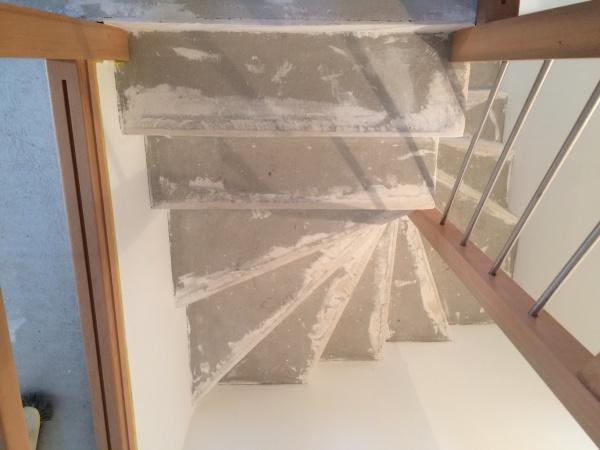
A proper staircase should allow the user’s foot to land naturally and securely.
In tight spaces, some builders reduce tread depth too aggressively. This creates:
- Foot overhang
- Unstable stepping
- Higher slip potential
This issue becomes worse with polished finishes, socks, or wet feet.
Homeowners often underestimate how important proper tread depth is until the staircase is used daily.
4. Ignoring Proper Headroom Clearance
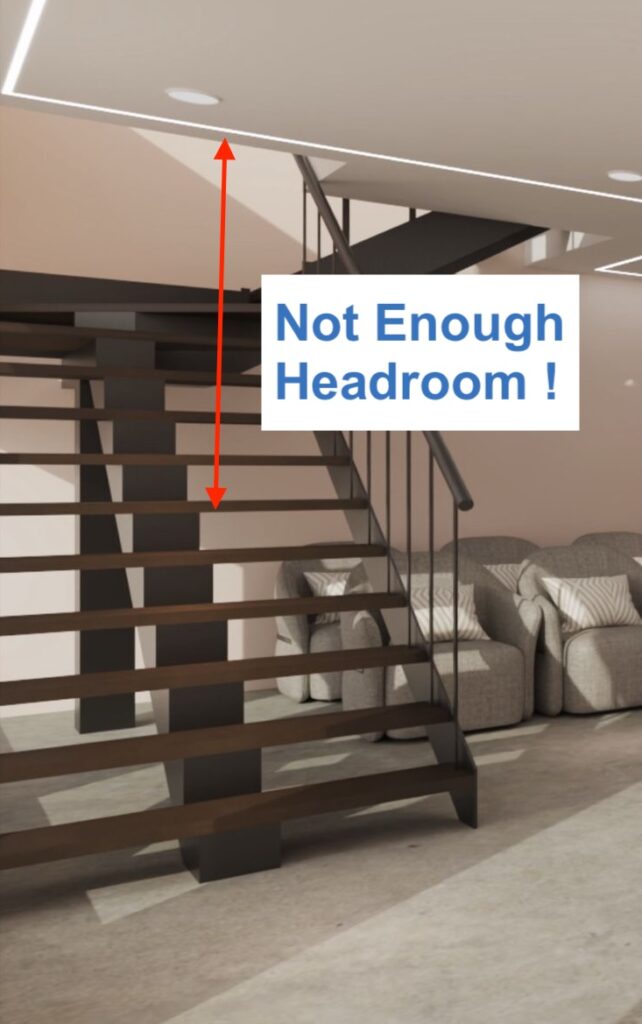
Another issue in compact homes is insufficient headroom.
To force a staircase into limited layouts, some designs place:
- Structural beams too low
- Slabs too close overhead
- Sharp turns in compressed areas
This creates uncomfortable movement and potential head injury risks.
A staircase should feel open and natural — not claustrophobic.
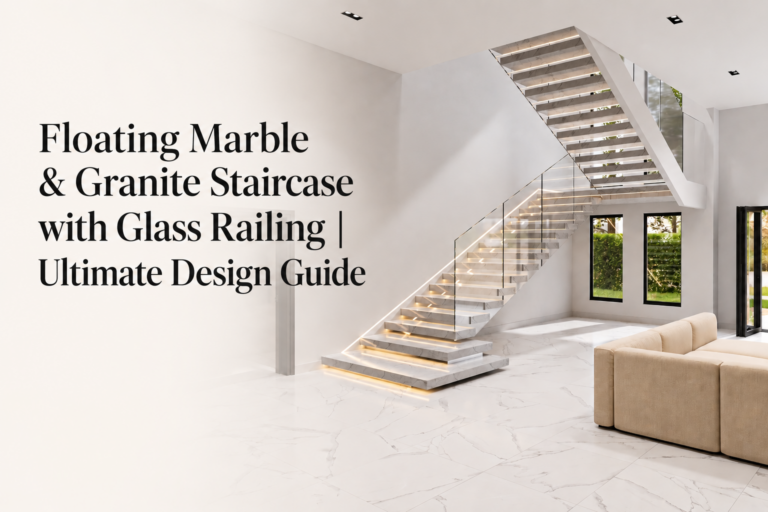
5. “Floating Staircases” Done Incorrectly
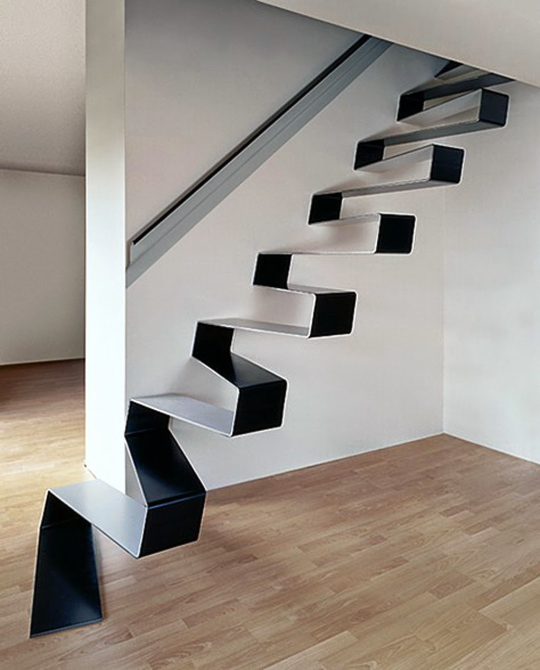
Modern floating staircases are highly desirable today.
However, many homeowners are unaware that true floating staircases require:
- Structural engineering
- Proper anchoring systems
- Reinforced wall support
- Precise fabrication tolerances
In tight spaces, inexperienced contractors may imitate the appearance without proper structural planning.
This can lead to:
- Vibration
- Flexing
- Creaking
- Long-term instability
A floating staircase should never be approached as merely a visual feature.
6. Prioritising “Looks” Over Everyday Use
Social media has heavily influenced staircase trends.
Many designs online are created primarily for:
- Visual impact
- Photography
- Marketing appeal
But homeowners live with the staircase every single day.
A staircase must balance:
- Beauty
- Safety
- Comfort
- Structural integrity
- Building compliance
A visually dramatic staircase that feels uncomfortable to use ultimately becomes a design failure.
The Reality: Tight Spaces Require Better Planning — Not Dangerous Shortcuts
When homeowners face staircase space limitations, the solution is not to compromise safety.
The real solution is:
- Proper layout planning
- Professional staircase design
- Structural coordination
- Creative but compliant solutions
In many cases, experienced staircase specialists can redesign the layout intelligently to achieve:
- Better circulation
- More comfortable proportions
- Improved spatial efficiency
- Safer long-term usability
Without resorting to risky shortcuts.
Final Thoughts
A staircase is one of the most frequently used architectural elements in a home.
When done poorly, the problems become permanent:
- Daily discomfort
- Safety hazards
- Structural issues
- Reduced property quality
When done professionally, even tight spaces can achieve staircases that are:
- Safe
- Elegant
- Comfortable
- Architecturally refined
At VS Interior Decor, we specialise in staircase design solutions that balance aesthetics, technical precision, and real-world usability.
Need Professional Advice for Your Staircase Layout?
Every home is different — especially renovation projects with tight structural limitations.
Our team can conduct a professional site survey and recommend staircase solutions that:
- Optimise your available space
- Maintain safe proportions
- Comply with proper design principles
- Enhance your interior architecture
Before committing to risky shortcuts, speak to a staircase specialist who understands both design and construction realities.
Contact VS Interior Decor today to schedule your staircase consultation and site assessment.